What Managed IT Services Include Network Cabling and Infrastructure?
What Managed IT Services Include Network Cabling and Infrastructure?
 Naka Team
When people hear the term managed IT services, they often think only about software support, help desks, or cybersecurity. But in reality, managed IT services go much deeper than that. A strong IT setup starts with the right physical foundation, and that includes network cabling and IT infrastructure.
Network cabling and infrastructure are what keep your systems connected, fast, and reliable. From internet access and internal networks to servers and hardware, everything depends on how well this foundation is planned and maintained. Poor cabling or outdated infrastructure can lead to slow performance, frequent downtime, and ongoing technical issues.
In this blog, we will explain what managed IT services include when it comes to network cabling and infrastructure, why they matter for businesses, and how managed IT providers handle these critical components to keep operations running smoothly.
Understanding Network Cabling and IT Infrastructure
To understand what managed IT services truly cover, it’s important to first understand the basics of network cabling and IT infrastructure. These are the physical foundations that keep all digital systems running smoothly inside an organization.
What Is Network Cabling?
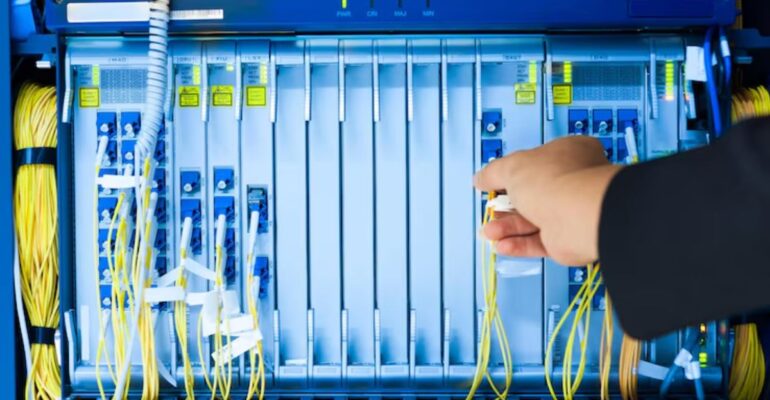
Network cabling is the physical wiring that connects computers, servers, switches, and other devices within an office or data center. It allows data to move from one point to another quickly and securely.
Common types of network cabling include:
- Ethernet cables used in offices
- Fiber cables used for high-speed connections
- Patch panels and connectors that link devices together
Well-planned cabling ensures stable connections, better speed, and fewer network issues.
What Is IT Infrastructure?
IT infrastructure refers to all the hardware and physical systems that support an organization’s IT environment. This includes both on-site and connected components.
IT infrastructure typically includes:
- Servers that store data and run applications
- Network devices like switches, routers, and firewalls
- Server racks, power supply systems, and cooling units
- Data centers or server rooms
These components work together to keep business operations running without interruptions.
How Cabling and Infrastructure Work Together
Network cabling and IT infrastructure are closely connected. Cabling links all infrastructure components so they can communicate with each other. If cabling is poorly designed or infrastructure is outdated, even the best software systems will struggle to perform.
When both are planned and managed properly, businesses benefit from:
- Faster network performance
- Reduced downtime
- Easier troubleshooting
- Better scalability for future growth
This is why managed IT services treat network cabling and infrastructure as a combined, essential foundation rather than separate one-time tasks.
Why Network Cabling Matters in Managed IT Services
Network cabling is the foundation of every IT environment. No matter how advanced your software or cloud systems are, everything depends on how well your devices are physically connected. In managed IT services, strong and well-planned cabling plays a major role in keeping systems fast, stable, and secure.
Performance and Speed
Proper network cabling ensures smooth data flow between computers, servers, and network devices. High-quality cables and correct installation reduce signal loss, lag, and slow connections. This helps employees work faster and keeps business systems running without interruptions.
Reliability and Uptime
Poor cabling often leads to frequent network drops and hard-to-diagnose issues. Managed IT services focus on structured and organized cabling to prevent failures. When cables are clearly labeled and properly routed, problems can be identified and fixed quickly, reducing downtime.
Security Considerations
Network security is not only about software and firewalls. Physical cabling also matters. Managed IT providers ensure cables are installed securely, access points are controlled, and unused ports are managed properly. This lowers the risk of unauthorized access and data leaks.
Network Cabling Services Included in Managed IT
Network cabling is the backbone of any IT setup. Managed IT services do not treat cabling as a one-time task. Instead, they manage it as an ongoing system that supports performance, reliability, and future growth. Below are the key network cabling services typically included in managed IT.
Cabling Design and Planning
Before any cables are installed, managed IT teams carefully plan the network layout. This step ensures the cabling supports current needs and future expansion.
This includes:
- understanding office layout and device needs
- planning cable paths for clean installation
- designing for speed, safety, and scalability
Good planning reduces future rework and downtime.
Structured Cabling Installation
Managed IT services handle professional installation of structured cabling for offices, server rooms, and data centers.
This covers:
- Ethernet and fiber cabling
- wall ports and patch panels
- racks and cabinets
Proper installation ensures stable connections and long-term reliability.
Cable Management and Labeling
Messy cables make troubleshooting slow and risky. Managed IT providers keep cabling organized and clearly labeled.
This helps with:
- faster issue resolution
- easier upgrades and changes
- improved airflow and safety
Well-managed cables save time and reduce errors.
Testing and Certification
After installation, cables are tested to confirm performance and quality.
This includes:
- checking signal strength and speed
- identifying faults or weak points
- ensuring compliance with standards
Testing ensures the network performs as expected from day one.
Cabling Maintenance and Troubleshooting
Managed IT services provide ongoing support for cabling issues.
This involves:
- identifying damaged or failing cables
- fixing connection problems
- upgrading cabling when needed
Regular maintenance helps prevent unexpected outages and keeps the network running smoothly.
By including network cabling as part of managed IT services, businesses get a stronger, more reliable foundation for all their technology systems.
Infrastructure Services Included in Managed IT
Managed IT services go beyond basic support. They take full responsibility for the core systems that keep your business running every day. Infrastructure services focus on keeping hardware, networks, and physical IT environments stable, secure, and ready to grow.
Server Setup and Management
Managed IT providers handle both on-premise and hybrid servers. This includes setting up servers correctly, keeping them updated, and monitoring their health to prevent failures.
This covers:
- server installation and configuration
- regular updates and patching
- performance monitoring
- backup and recovery support
Network Devices Management
Network devices are the backbone of connectivity. Managed IT teams manage and maintain all critical devices to ensure smooth data flow.
These devices include:
- switches
- routers
- firewalls
- wireless access points
They make sure everything is configured correctly and running securely.
Hardware Monitoring and Maintenance
Hardware problems often start small and grow into major issues. Managed IT services continuously monitor infrastructure to catch problems early.
This includes:
- tracking system health
- identifying failing components
- proactive maintenance
- timely repairs or replacements
Data Center and Server Room Management
For businesses with in-house server rooms or data centers, managed IT services ensure the physical environment is safe and reliable.
This involves:
- power and backup management
- cooling and ventilation checks
- physical security controls
- organized racks and equipment layout
By managing infrastructure properly, managed IT services help businesses reduce downtime, improve performance, and stay ready for future growth.
How Managed IT Providers Handle Cabling and Infrastructure Projects
Managed IT providers follow a structured and careful process when handling network cabling and infrastructure projects. This approach helps ensure smooth implementation, minimal disruption, and long-term reliability for the business.
Assessment and Audit
The process begins with a full review of the existing network setup. The provider checks current cabling, hardware, network performance, and any problem areas. This assessment helps identify outdated equipment, poor cable layouts, and capacity limits that could affect future growth.
Planning and Documentation
Once the assessment is complete, the provider creates a clear plan. This includes network diagrams, cable routes, equipment lists, and upgrade recommendations. Proper documentation ensures transparency and makes future maintenance easier.
Installation and Implementation
Cabling and infrastructure work is carried out in a planned manner to reduce downtime. Managed IT providers schedule installations during off-hours when possible and follow industry standards for safety and performance. Every connection is tested after installation.
Ongoing Support and Optimization
After the project is completed, the provider continues to monitor the infrastructure. Regular checks, updates, and performance reviews help prevent issues and keep the network running smoothly as business needs change.
Benefits of Including Cabling and Infrastructure in Managed IT
When cabling and infrastructure are part of your managed IT services, your business gains much more than basic technical support. It creates a strong foundation that keeps systems stable, secure, and ready for growth.
- Single vendor accountability: One team manages everything, from cables to servers. This removes confusion, speeds up problem solving, and avoids blame between multiple vendors.
- Better performance and reliability: Well-planned cabling and maintained infrastructure reduce network issues, slow speeds, and connection drops, helping teams work without interruptions.
- Reduced downtime: Proactive monitoring helps detect small issues before they turn into major failures, keeping your business running smoothly.
- Lower long-term costs: Regular maintenance and timely upgrades prevent expensive emergency fixes and extend the life of your IT assets.
- Simplified IT management: With cabling, hardware, and systems handled together, your IT setup becomes easier to manage, scale, and support as your business grows.
How to Choose the Right Managed IT Service Provider
Choosing the right managed IT service provider is a long-term decision that directly affects your business operations, security, and growth. Since network cabling and infrastructure are critical foundations, the provider you choose must have both technical expertise and a reliable support approach.
Experience With Infrastructure Projects
Not all IT providers have hands-on experience with physical infrastructure. Look for a provider that has proven experience in network cabling, server rooms, and on-site IT setups.
A good provider should be able to:
- design structured cabling for offices and data centers
- handle upgrades and office expansions
- manage both old and modern infrastructure
Certified Technicians
Qualified and certified technicians ensure work is done correctly and safely. Certifications show that the team understands industry standards and best practices.
Make sure the provider has:
- trained network and infrastructure specialists
- experience with switches, routers, and servers
- knowledge of safety and compliance requirements
Documentation and Transparency
Clear documentation is often overlooked but extremely important. A reliable provider keeps records of your network layout, cabling paths, hardware details, and configurations.
This helps with:
- faster troubleshooting
- smoother upgrades
- better planning for future growth
Scalability and Long-Term Support
Your IT needs will grow as your business grows. Choose a provider who can scale services without disruption.
The right partner should offer:
- flexible service plans
- support for new locations or teams
- proactive monitoring and regular maintenance
A strong managed IT service provider acts as a long-term partner, not just a quick fix. When experience, transparency, and scalability come together, your IT foundation stays strong and future-ready.
Final Thoughts
Network cabling and IT infrastructure form the backbone of every modern business. While these systems often stay out of sight, their impact on performance, security, and reliability is constant. Managed IT services that include cabling and infrastructure ensure that this foundation is planned properly, monitored regularly, and upgraded at the right time.
By choosing a managed IT service provider with strong infrastructure expertise, businesses reduce downtime, avoid costly fixes, and stay ready for growth. Instead of treating cabling and infrastructure as one-time tasks, managing them as an ongoing service creates a more stable, secure, and future-proof IT environment.
Frequently Asked Questions
Is network cabling a one-time setup or an ongoing service?
Cabling requires ongoing support. As businesses grow or upgrade systems, cables may need testing, repairs, reorganization, or replacement to maintain performance.
Are cabling and infrastructure covered in monthly managed IT plans?
Basic monitoring and maintenance are often included. New installations, major upgrades, or office moves may be billed separately, depending on the provider.
Can a managed IT provider handle office relocations or expansions?
Yes. Experienced providers plan and manage cabling, hardware setup, and network connectivity during office moves or expansions.
How often should IT infrastructure be upgraded?
Most businesses review infrastructure every 3 to 5 years. Cabling and hardware upgrades depend on performance needs, growth, and technology changes.
What happens if there is a cabling failure?
Managed IT providers quickly identify the issue, repair or replace faulty cables, and restore connectivity to reduce downtime.
Is structured cabling important for small businesses too?
Yes. Structured cabling improves reliability, performance, and scalability, even for small or growing businesses.
How do I know if my current infrastructure needs improvement?
Frequent downtime, slow network speeds, messy cabling, or difficulty adding new devices are common signs that your infrastructure needs attention.